The One Mistake Everyone Makes With Frozen Chicken

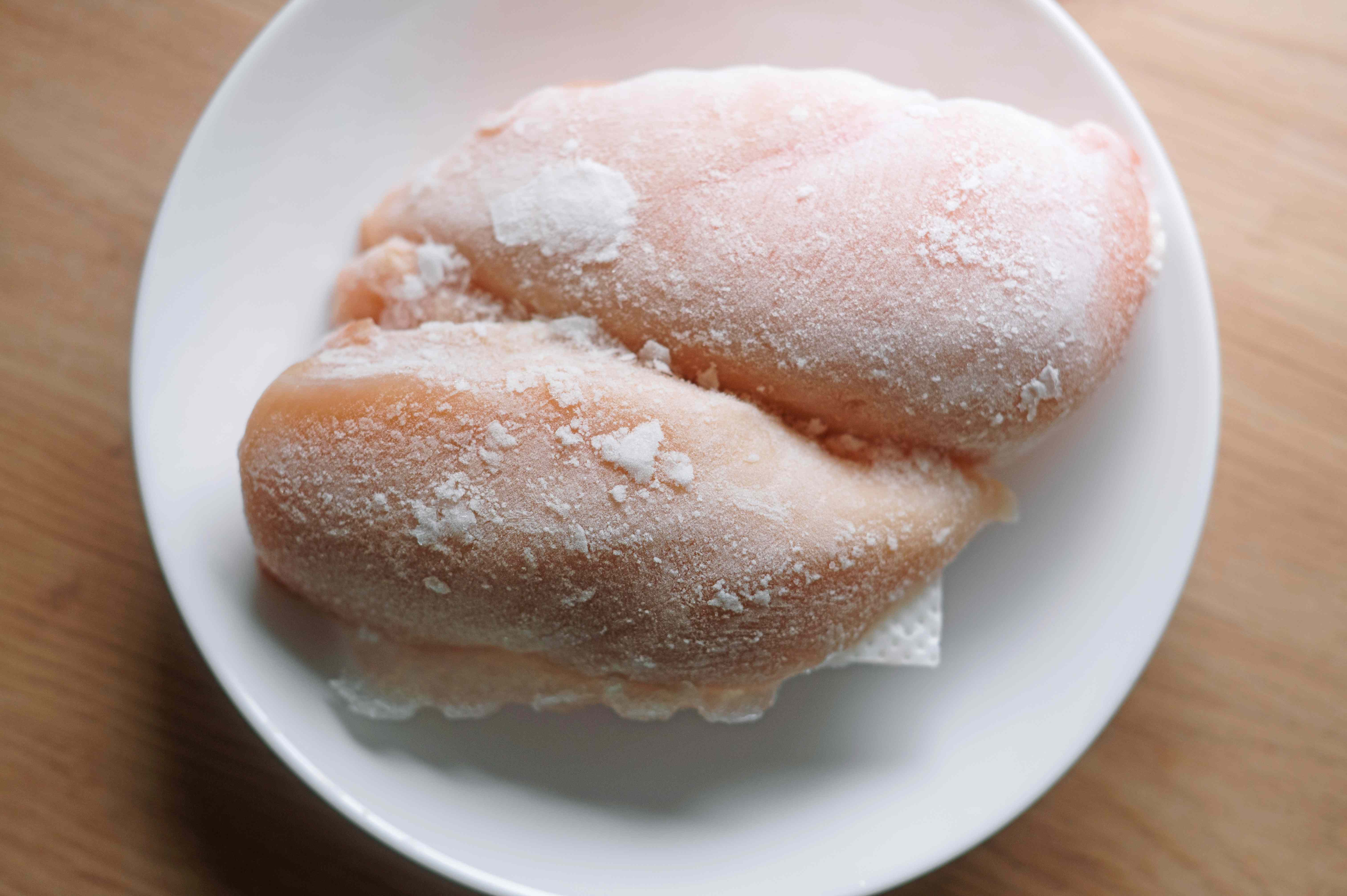
If you’ve ever left your frozen chicken in the sink or on the counter to thaw, you’re not alone. I remember my grandma did this and thought nothing of it. There it was, just sitting on the counter—maybe on a plate, maybe on nothing—warming itself up while dripping juices everywhere. She probably even cleaned the mess with the same towel she used to dry the dishes. Let that sink in.
It was a true horror show if you ask anyone who’s versed in food safety, because they know, like I do (and apparently my grandmother didn’t), that thawing frozen chicken on the counter is a mistake you should never—and don’t have—to make.
The One Mistake Everyone Makes With Frozen Chicken
If you’ve ever taken a food safety course, you’ve likely been deeply affected by it. Once you know what you know, you’ll never be able to look at your kitchen like you used to. That’s because it opens your eyes to what you’re not seeing.
Part of the curriculum, for example, includes a deep dive into all of the possible ways you (maybe unknowingly) are contaminating your kitchen. Pair that with the list of microscopic bugs (aka bacteria) whose entire purpose seems to be to ruin your intestinal tract, and you’re left thinking your kitchen is no better than the gas pump nozzle.
One of the worst offenders is raw proteins, including chicken So what’s so wrong about thawing your frozen chicken on the counter? Room-temperature air doesn’t allow the chicken to thaw evenly, explains Whitney Stuart, registered dietitian and founder of Whitness Nutrition.
“The outside warms up long before the center does, so the surface [of the frozen chicken] can sit in the danger zone between 40°F and 140°F for hours. That’s the range where bacteria like salmonella and Campylobacter multiply fastest, with numbers that can double in as little as 20 minutes. Cooking kills most bacteria, but some produce toxins that heat doesn’t destroy. Counter thawing is a gamble with your gut that just isn’t worth it.”
Advertisement
The safest way to thaw frozen chicken is in the refrigerator since “it keeps the chicken at 40°F or below the entire time,” says Stuart. Most cuts will need about 24 hours to thaw, and whole, or bone-in pieces can take up to two days, so Stuart also suggests planning ahead.
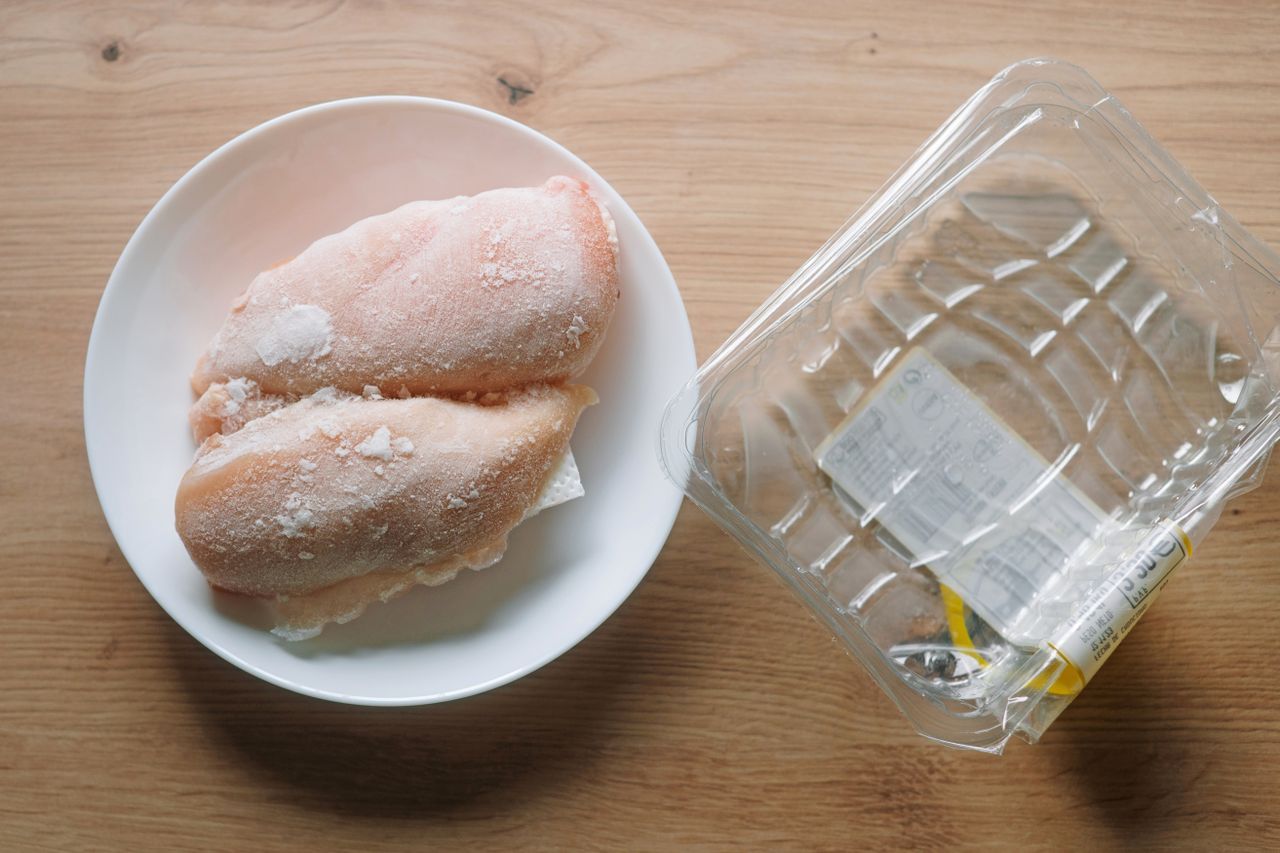
When you’re ready to thaw your chicken, place it on a plate or in a rimmed container, “then store it on the bottom shelf so no juices drip onto ready-to-eat foods,” advises Stuart. Per the U.S. Department of Agriculture (USDA), once the chicken is fully thawed, you have one to two days to cook it if it’s been stored under refrigeration properly.
If you need your chicken thawed “right now,” then you have two other options: Using cold water in the sink or the microwave. If you choose to thaw your chicken in the sink, remember to keep things contained, which starts by placing the chicken in a sturdy, sealable storage bag. Place that inside a bowl or other deep vessel and keep the bag “fully submerged in cold tap water, changing the water every 30 minutes so it continues to thaw,” recommends the USDA.
Smaller proteins, which the USDA quantifies as “about a pound,” will take about an hour to thaw this way. Larger amounts between three to four pounds can take up to two to three hours. Food thawed this way must be cooked immediately per the USDA.
If you thaw frozen chicken in the microwave, first remove it from its packaging, place it in a rimmed, microwave-safe container, then follow your microwave’s instructions for thawing raw meat. Clean the microwave with soapy water after use and cook the chicken immediately to avoid the danger zone.
Whether you choose to thaw your frozen chicken in the refrigerator, in the sink with cold water, or in the microwave, remember to keep things clean. The risk of cross-contaminating other food as well as kitchen surfaces and appliances is high. So be sure to isolate your raw meat in a container, wash your hands often, and keep surfaces clean using hot, soapy water.
Read the original article on Simply Recipes