
Hedonistic Sustainability: Building a SolarPunk City
The real value of the SolarPunk movement has always been in making a sustainable future look desirable. No one is going to buy into the idea of a sustainable future if it looks like a worse version of the world we live in right now. So if we are to build sustainable cities, they really need to be both sustainable and more enjoyable to live in than the cities and societies we have today.
In Copenhagen, Denmark they have an approach to architecture called Hedonistic Sustainability. This approach has been championed by Architect Bjarke Ingels who seeks to make sustainability both more desirable and more fun. Instead of architects and planners saying no to the local community and sustainability demands, Bjarke Ingels’ philosophy is to say yes. Through his work he has created a manifesto for inclusion where the demands of the people and the needs of the environment are put at the forefront of the decision making process, not at the back. What has resulted from this thinking is a number of transformative projects that tick both sustainability and liveability boxes and embody many of the principles of SolarPunk.
Havnebadet Islands Brygge is one example of this. Formally an industrial harbour, the area was transformed into a clean, swimmable public space, after extensive environmental remediation. The site features multiple pools and diving platforms, constructed from renewable Scandinavian wood and built on removable pontoons. This project not only revitalised the waterfront but also enhanced community well-being, making it a vibrant hub for recreation and social interaction in the heart of the city.


All images via: destinationdaydreamer.com/
As part of the transformation of Copenhagen’s North Harbour many of the pre-existing buildings were kept. The architects wanted to showcase the beauty of the existing buildings by preserving and transforming them. The city chose to give the buildings a new purpose, instead of pulling them down completely. The philosophy embraces the idea of “one person’s trash is another person’s treasure.” Not allowing developers to pull a building down unless they have made sure nobody else wants it or can do something good with it. An example of this is Silo. A 17-storey former grain silo and the largest industrial building in the area was transformed into residential apartments and a space for public functions.
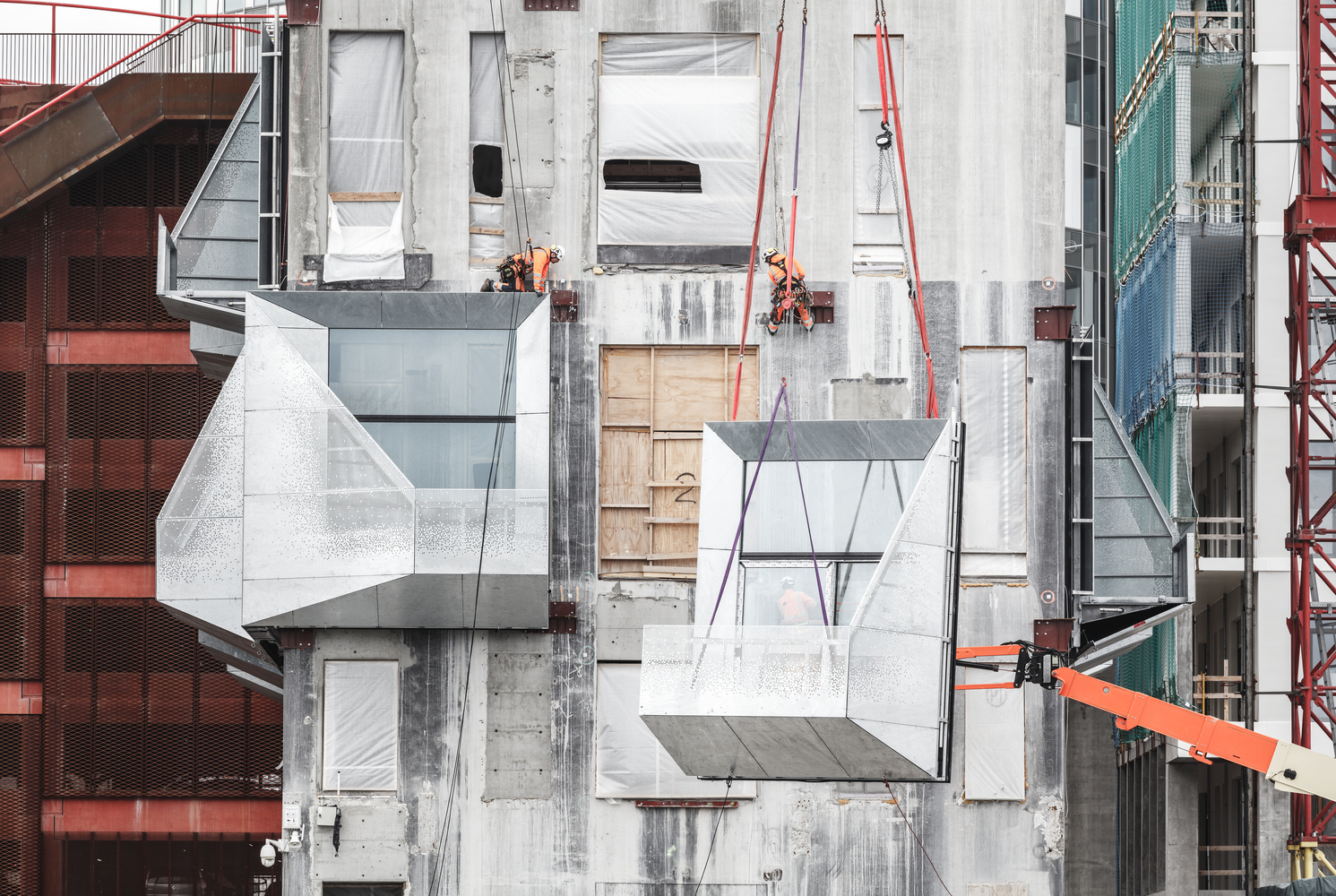

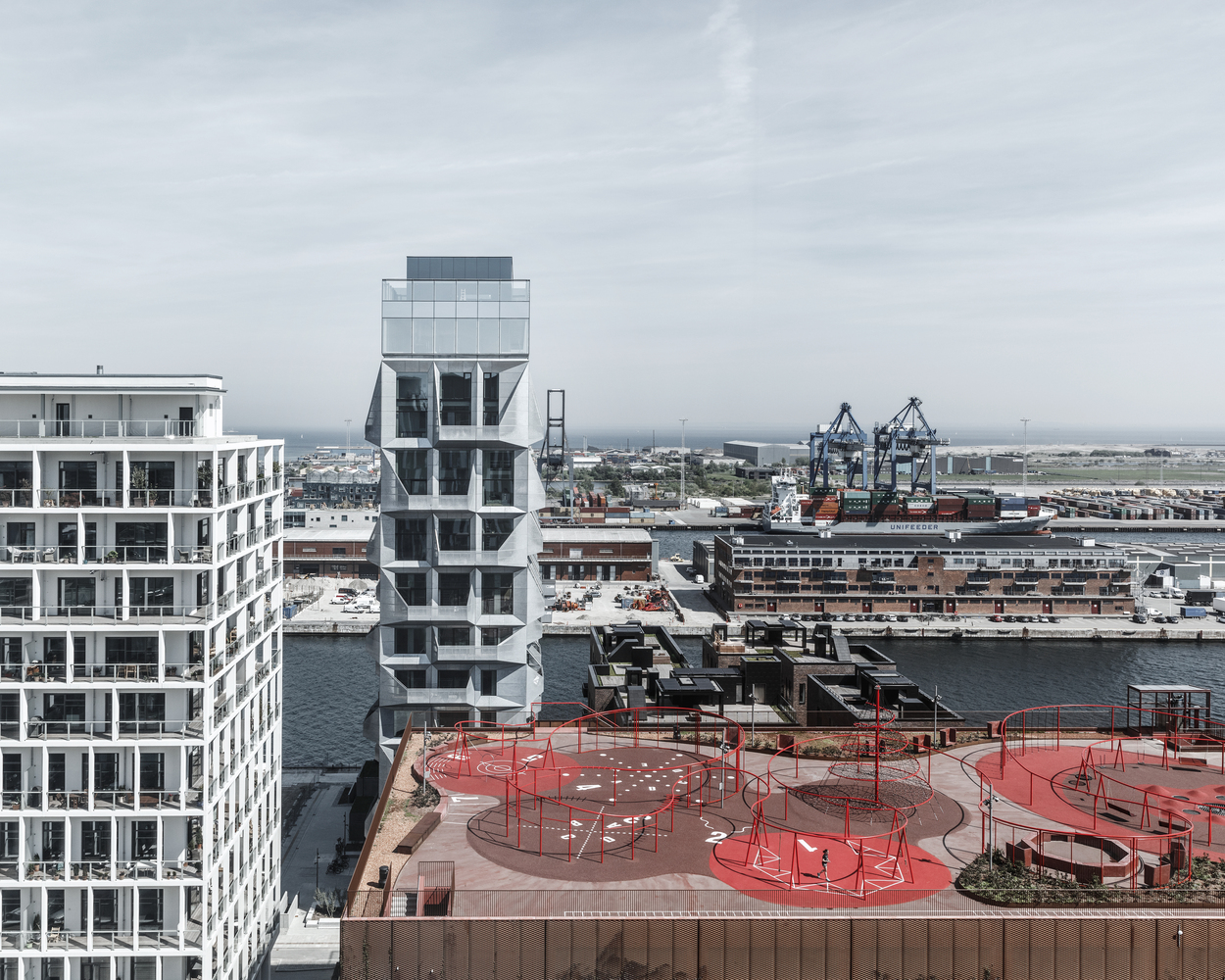


The idea of retrofitting instead of rebuilding is a core principle of SolarPunk. It’s great to see it being put into practice and working, which proves that SolarPunk principles are both viable and popular.
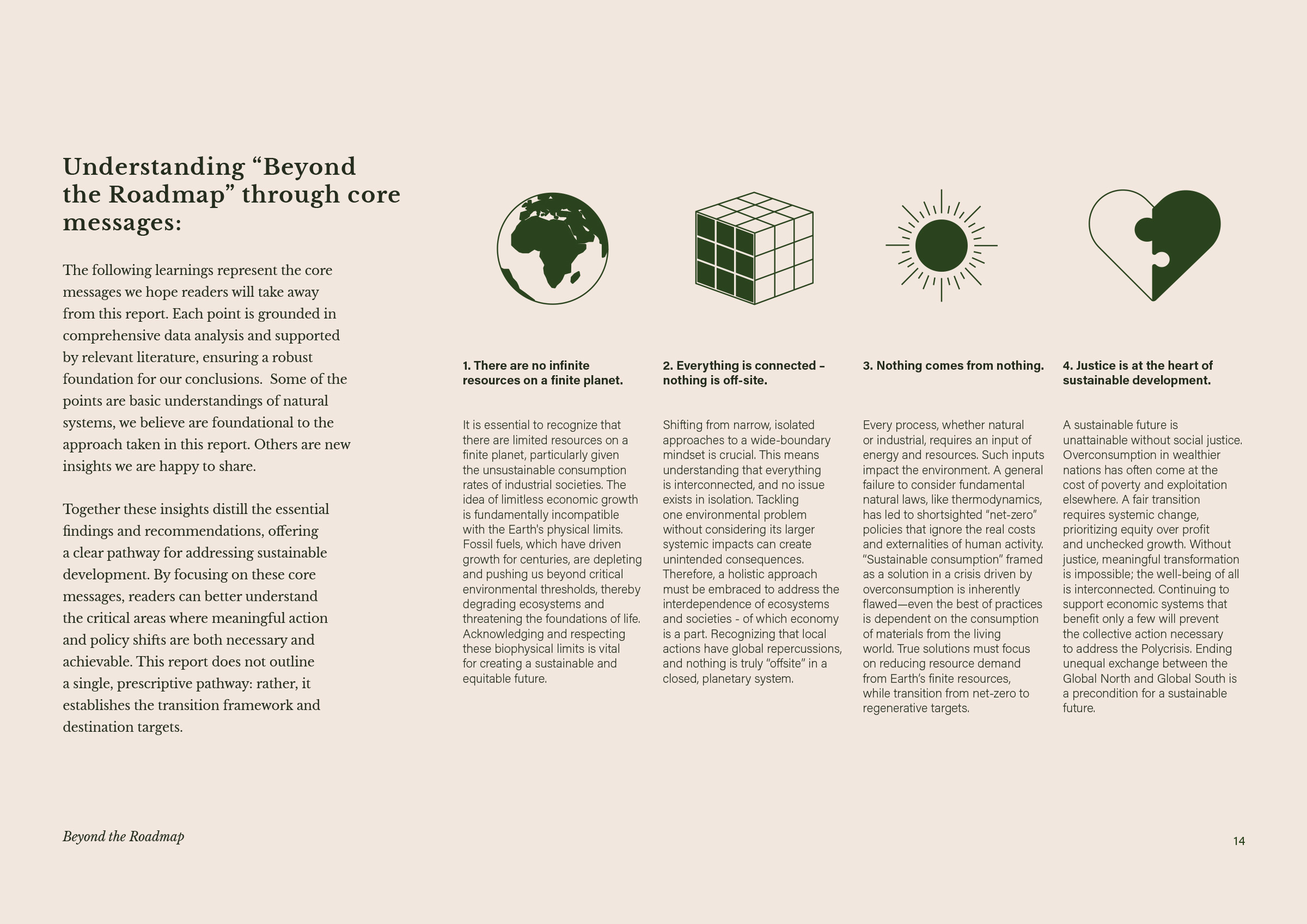
Another initiative running in Copenhagen is the Reduction Roadmap, which identifies where we are today, where we need to go, and how quickly we must reduce our environmental impact to stay within Earth’s safe operating space. It offers science-based transformation tools and a call to action for the Danish building industry and politicians, aiming to align all stakeholders with the physical limits of the Paris Agreement and Planetary Boundaries. This initiative has produced an excellent report that can be downloaded for free at: reductionroadmap.dk/beyond-the….



To get to a SolarPunk future we need to prove that sustainable can be desirable and more fun. That we can build in a cost-effective way and people will want to live in these spaces. That is what Copenhagen is doing here. It’s not the end game but it is a good step towards a SolarPunk future. We need to shake off that sustainable image that has always felt like sacrifice and “doing without.” A sustainable future should mean a much better future for all, which is something I write about all the time on this blog. Freed from the consumerist rat race and the tyranny of materialism, we can transform our industrial cities into sustainable green, vibrant communities with safe streets for play and a renewed sense of connection and belonging.
–
Featured image is from here: copenhagenislands.com/ Which is an interesting project and worth checking out.
This post was created in #WordPress and can be viewed in the #Fedivers at: @owgf.org@owgf.org
OWGF has a Fediverse companion profile at: mastodon.world/@OWGF
OWGF is also on #Pixelfed here: pixelfed.social/OWGF
Fediverse Reactions
#Copenhagen #Denmark #Environment #OurWonderfulGreenFuture #Regeneration #SolarPunk #StrongTowns #sustainability #Urbanism
Destination Daydreamer Family Travel Blog - Destination Daydreamer
Hi, NIce to Meet you i’m jenessa! I’m the face behind Destination Daydreamer- a travel-addicted momma to young kids. I live in a small town in Denmark but hail from the mountains and deserts of the American Southwest.Destination Daydreamer

