

- Share via
- Western Canada spans diverse regions that mix dramatic coastal experiences with epic mountain scenery.
- A two-week road trip gives you the ideal window to explore the jaw-dropping wilderness of the Canadian Rockies.
- You can see incredible wildlife like black bears and look at clear night skies in massive star preserves.
Western Canada offers a journey through some of the most spectacular scenery on Earth, a vast landscape stretching from the wild shores of the Pacific Ocean to the soaring mountain peaks of the Canadian Rockies.
This region, encompassing British Columbia and Alberta, is a paradise for nature lovers, offering an unforgettable adventure at every turn, much like other dramatic coastal road trips such as the Oregon Coast’s best beaches, towns, and attractions.

The summer months, from June to August, are ideal for a Western Canada vacation, as the weather is perfect for a road trip exploring pristine lakes, lush rainforests, and charming small towns.
Whether you have two weeks or a lifetime, the incredible scenery of Western Canada promises a truly memorable trip.
How to Route Your Western Canada Vacation
You should map out your western Canada vacation to cover both the massive Rockies and the vibrant pacific shoreline since Western Canada has diverse regions including mountain scenery and coastal experiences. A two-week road trip is ideal for exploring the Rockies without feeling like you’re constantly rushing from place to place. It gives you enough time to check out the best places to visit without spending your whole trip stuck behind the wheel.
National Parks
The national park system is the heart of the Western Canada experience. Beyond the world-renowned Banff and Jasper, the region is home to other spectacular parks. Yoho National Park in British Columbia boasts the magnificent Takakkaw Falls and the stunning Emerald Lake.

On Vancouver Island, Pacific Rim National Park protects rugged coastlines and temperate rainforests. For a completely different landscape, Grasslands National Park in southern Saskatchewan showcases the vast, rolling prairies of the country. Each park offers a unique window into the diverse ecosystems of the west coast and interior, echoing the variety you’ll find in East Coast national parks with luxe glamping and boutique stays.
Banff National Park
As Canada’s first national park and a designated UNESCO World Heritage Site, Banff National Park is the crown jewel of the Canadian Rockies. Nestled in Alberta, the park is a world of turquoise lakes, massive glaciers, and abundant wildlife.

The charming town of Banff serves as a central hub, but the real magic lies in the surrounding wilderness. Visitors can ride a gondola up Sulphur Mountain for panoramic views, soak in the nearby Radium Hot Springs, or explore countless hiking trails that wind through breathtaking landscapes. The park’s natural beauty is simply unparalleled.
Budgeting and Beyond for Banff Town
Most visitors need to know that entering Banff National Park charges $11 CAD per day for entry. This fee helps maintain the pristine trails around Banff town and keeps the local infrastructure running smoothly. While you’re exploring, make sure to drive out to Peyto Lake, which is a gorgeous glacier-fed lake in Banff National Park. If you visit during the warmer months, you’ll notice Peyto Lake’s color comes from glacial flour during summer—it creates an insanely bright turquoise hue that looks completely photoshopped.
Jasper National Park
Stretching north of Banff and connected by the famous Icefields Parkway, Jasper National Park offers a wilder, more rugged experience. As the largest national park in the Canadian Rockies, Jasper provides a sense of immense scale and solitude.

It’s a prime location for spotting wildlife, including grizzly and black bears, elk, and moose. Key popular attractions include the stunning Maligne Lake with its iconic Spirit Island, the powerful Athabasca Falls, and the vastness of the Maligne Canyon. It is an essential stop for anyone exploring the Rocky Mountains.
Why Travelers Choose Banff and Jasper
Choosing between Banff and Jasper comes down to what kind of vibe you want, but Jasper is considered more rugged and relaxed than Banff. It feels less commercialized and more deeply wild. Jasper National Park is the largest national park in the Canadian Rockies, meaning you get massive expanses of untouched backcountry. It’s also a top spot for stargazing due to its large dark sky preserve, where the lack of light pollution reveals a mind-blowing blanket of constellations.
Staying Safe Around Black Bears and Wildlife
Spotting black bears and other large mammals requires keeping your distance and packing bear spray since Western Canada is home to diverse wildlife including black bears and grizzly bears, just as coastal destinations famed for whale encounters and sea life demand careful respect for marine ecosystems. These creatures roam freely across the valleys, making wildlife safety one of the most important travel tips you can learn before heading out. Keep your eyes peeled on the tree lines, but never approach them for a photo.

Canadian Rockies
The Canadian Rockies are a wonderland of rock and ice that spans both British Columbia and Alberta. This legendary mountain range offers year-round adventure.
In winter, world-class skiing dominates, while the summer months open up a world of hiking, mountain biking, and sightseeing.
A road trip through the Rocky Mountains provides a constant stream of amazing views and spectacular view points, with opportunities to see wildlife and experience the grandeur of the mountains up close, even if you prefer snowy winter getaways without skiing.
Witnessing Soaring Mountain Peaks from the Road
You can catch the best views of soaring mountain peaks by driving the scenic routes that slice directly through the mountain ranges of west Canada, a mountainous drama that rivals France’s great outdoors from the Alps to the Côte d’Azur. The views are completely relentless. For even more ideas on where to stop, look into Waterton Lakes National Park, which includes the Head-Smashed-In Buffalo Jump World Heritage Site—a fascinating archaeological spot with deep cultural history.

British Columbia
British Columbia is a province of dramatic contrasts, from the vibrant coastal city of Vancouver to the sun-drenched vineyards of the Okanagan Valley.
Vancouver: A Mosaic of Urban Culture and Natural Beauty
A thriving metropolis nestled between mountains and ocean, Vancouver is the perfect starting point for any west coast adventure, especially if you visit during Vancouver’s winter holiday season. No visit is complete without exploring Stanley Park, its iconic urban oasis, or the bustling Granville Island Public Market, a haven for foodies seeking fresh seafood and artisanal goods.
If you have extra time in the city, make sure to walk across the dizzying Capilano suspension bridge to feel the rush of the coastal rainforest from high above the canyon floor. From Vancouver, it’s also a quick hop on a scenic ferry to visit Victoria on Vancouver Island for some classic seaside charm. On your way driving up the coast toward Whistler, don’t miss a quick stop at Shannon Falls, where the massive wall of cascading water makes it one of the easiest and most rewarding short walks in Canada’s west.
Kelowna: Okanagan’s Wine Heartland
Nestled in the heart of British Columbia, Kelowna is a paradise for wine enthusiasts. The surrounding area is celebrated for its stunning vineyards and award-winning wines, making it a premier destination for oenophiles from around the world, much like Puerto Rico is a premier island escape for culture-rich, nature-filled experiences.
It’s no surprise people flock here, considering the Okanagan Valley is Canada’s premier wine region.
 Kelowna, Canada
Whistler: Year-Round Mountain Adventure
Whistler stands as a beacon for adventure seekers. In summer, it’s a hub for mountain biking, golf, and ziplining. The PEAK 2 PEAK Gondola offers breathtaking 360-degree views connecting Whistler and Blackcomb mountains. For a different kind of thrill, consider a guided bear viewing excursion.
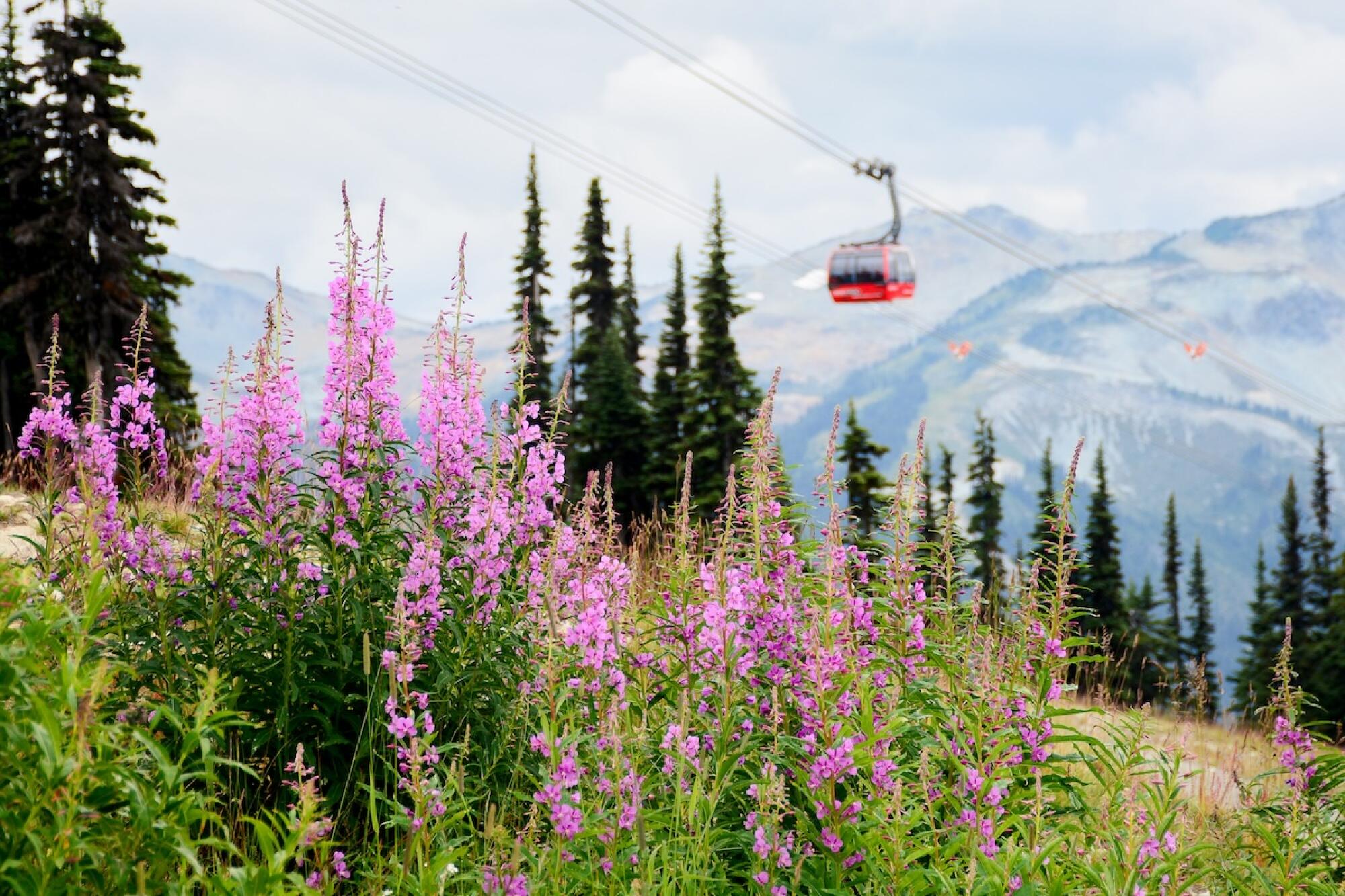 Whistler, Canada
Victoria: Historic Charm and Coastal Elegance
The charming city of Victoria, the capital of British Columbia, exudes historic elegance. Its well-preserved Victorian architecture, iconic Fairmont Empress Hotel, and Canada’s oldest Chinatown offer a journey back in time. Beautiful view of Inner Harbour of Victoria, B.C., Canada


It is worth noting that other destinations like Wells Gray Provincial Park in Northern British Columbia offer more off-the-beaten-path adventures, with stunning waterfalls like Helmcken Falls.
If you love running water, this spot is an absolute goldmine because Wells Gray Provincial Park has over 40 named waterfalls hidden within its thick forests, offering the kind of off-the-radar charm celebrated in lesser-known summer destinations like Tofino and beyond.
Lake Louise
Within Banff National Park lies the world-famous Lake Louise. Its brilliant emerald waters, fed by the Victoria Glacier, create one of the most iconic images in all of Canada.
The area is a hub for some of the best hiking trails in the Canadian Rockies, offering routes that range from gentle lakeside strolls to challenging alpine ascents with incredible scenery.
Emerald Lake
Located in Yoho National Park, Emerald Lake lives up to its name with its vivid green hues. Surrounded by the President Range, the lake is a peaceful and breathtaking spot.
Renting a canoe to paddle its tranquil waters is a quintessential Canadian experience, offering a serene way to soak in the panoramic views of the surrounding peaks.
Finding Quiet Spaces in Yoho National Park
You will find the ultimate alpine peace inside Yoho National Park because its trails are far less crowded than the ones closer to the main resort towns. It’s the perfect alternative for people who want to skip the heavy tourist traffic. Emerald Lake is located in Yoho National Park, British Columbia, and it provides some of the most postcard-perfect views you’ll ever see on a mountain trip.
Niagara Falls
It is worth noting that Niagara Falls, one of Canada’s most famous natural wonders, is located in Eastern Canada, near Toronto, Ontario. While it is a spectacular destination, it is not part of a Western Canada itinerary.

The powerful waterfalls of the west, such as Takakkaw Falls in Yoho and Helmcken Falls in Wells Gray Provincial Park, offer their own unique and stunning beauty.
Why the West Coast Captivates Travelers
The west coast serves as a wild contrast to the dry interior plains because its massive temperate rainforests run right down to the edge of the Pacific Ocean. It’s a place where massive logs wash up on misty beaches and the air smells purely like salt and cedar.
Lush Rainforests and Whale Watching Tours
The west coast of Vancouver Island is home to magnificent lush rainforests. In the Tofino area, within Pacific Rim National Park, ancient cedar and Sitka spruce trees tower over a forest floor carpeted in moss and ferns.

Hiking through these temperate rainforests is a magical experience, leading to rugged, windswept beaches, similar in spirit to Tokyo’s surprising network of hikes, parks, and nature day trips. This region is also a prime spot for whale watching tours, with excursions offering chances to see migrating humpback whales and orcas, making it a dream destination for wildlife enthusiasts.
Icefields Parkway
Considered one of the most scenic drives in the world, the Icefields Parkway is a road trip of a lifetime. This 232-kilometer highway connects Lake Louise in Banff with Jasper, winding its way through the heart of the Canadian Rockies.

Every turn reveals a spectacular view of soaring mountain peaks, ancient glaciers, and wide-open valleys. There are numerous pull-offs and short hiking trails along the way, making the journey as important as the destination.
The Icefields Parkway is recognized as one of the most beautiful drives in the world, giving you look after look at jaw-dropping glaciers and sheer rock faces. The Icefields Parkway is a legendary 232-kilometer stretch that connects Banff and Jasper through some of the highest passes in the region, while the entire expansive highway run known as the Columbia Icefields Parkway officially extends across 290 km.
Athabasca Glacier
A major highlight along the Icefields Parkway is the Athabasca Glacier, a massive tongue of ice flowing from the Columbia Icefield. This is one of the most accessible glaciers in North America, and visitors can take a guided tour to walk directly on its surface.

It offers a powerful and tangible connection to the ice-age forces that shaped this incredible landscape. Planning a stop here can be a cost-effective way to have a unique glacial adventure.
But you’ll want to visit sooner rather than later—climate data shows the Athabasca Glacier shrinks by more than 5 meters per year, leaving a stark reminder of our changing planet on the valley floor.
Calgary and the Calgary Stampede
While much of the focus is on natural beauty, the city of Calgary in Alberta offers vibrant urban culture and events. The Calgary Stampede, held every July, is a world-famous celebration of Western heritage, featuring rodeo events, chuckwagon races, and live entertainment.
Calgary also serves as a perfect starting point for exploring the Canadian Rockies by car, making it a key hub for travelers embarking on a Western Canada road trip, just as Vancouver shines during winter holidays that blend city life and nature.
Why Downtown Calgary is a Perfect Starting Point
Downtown Calgary provides a perfect starting point for your mountain road trip because it sits just an hour’s drive east of the towering front ranges. You can fly in, grab a rental vehicle, stock up on supplies, and hit the highway without wasting any daylight.
Planning Your Western Canada Road Trip
The most popular road trip route in Western Canada runs from Calgary to Vancouver, covering iconic destinations like Banff, Jasper, and Whistler. The direct drive time is around 10.5 hours, but with so many stops and sights, it’s best to allow at least two weeks to fully experience the region.
Renting a car is highly recommended for flexibility and to access remote areas. For those who prefer, campervan or RV rentals offer a combined travel and accommodation option.
Your Western Canada Adventure Awaits
In summary, the Western Canada travel destinations offer a journey of unparalleled diversity and natural beauty. From the lush rainforests and dramatic coastlines of Vancouver Island to the iconic turquoise lakes and soaring mountain peaks of the Canadian Rockies, this region is an adventurer’s dream.
Whether you are planning a road trip along the breathtaking Icefields Parkway, exploring the vibrant city life of Vancouver and Calgary, seeking wildlife like black bears and humpback whales, or hiking through a pristine national park like Banff, Jasper, or Yoho, Western Canada delivers an unforgettable adventure.
This vast and spectacular corner of the world holds countless opportunities for exploration, promising cherished memories for every traveler who answers its call.
PLACES TO VISIT


