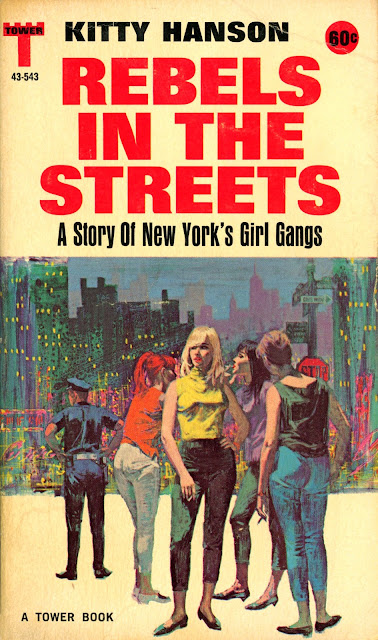
 (Above) Rebels in the Streets, by Kitty Hanson (Midwood Tower, 1965); art by Mitchell Hooks. As one commenter on Flickr wrote of this cover, “Nothing says ‘evil’ like capri pants and ballet flats.”
Every January, in anticipation of yet another birthday for Killer Covers, I try to come up with some appropriate way to celebrate. Last year, for instance, when the blog turned 13—a number with a
very bad reputation—I decided the most fun thing to do was showcase vintage crime novels
with the words “luck” or “lucky” in their titles.
This year was a bit more challenging. While looking around for things synonymous with the numeral 14,
I discovered the following on an online information source called The Fact Site: “The number 14 is, unfortunately, associated with white supremacy. This is because one of the more popular white-power slogans, ‘We must secure the existence of our people and a future for white children,’ has fourteen words. While known as the ‘14 Words,’ it is commonly shortened to just ‘14.’” The
very last thing I want to do is validate hateful racist ideas, so spinning a post off from that connection to the number was a non-starter. Instead, I mused on various ways young people were portrayed during the American heyday of paperbacks. And I realized that they were too often shown negatively. During the mid-20th century, authors and book artists were prone to define teenagers as aborning gangsters, arrant

delinquents, drug addicts, experimenters with wild sex, trouble-bound runaways, youths neglected by their parents and left—as the cover text on a 1958 book titled
Bad Girls reads—to “prowl the fringe of the underworld for kicks.”
(Right) Bad Girls, by Leo Margulies (Crest, 1958).
Amid such alarming propaganda (no doubt circulated in part simply to goose book sales), it’s a wonder that children of the era—especially those who claimed residence in large cities, where lawbreaking was well-recorded—were allowed to stray beyond sight of their homes. Not that adults could prevent them from leaving and making mistakes. As The Fact Site also informs me, “In the U.S., the youngest age at which you can be legally emancipated from your parents or guardians is 14. Known as the emancipation of minors, it essentially frees a child of fourteen or older from control by their legal guardians and freeing the guardians of any responsibility towards the minor.”
For better or worse.
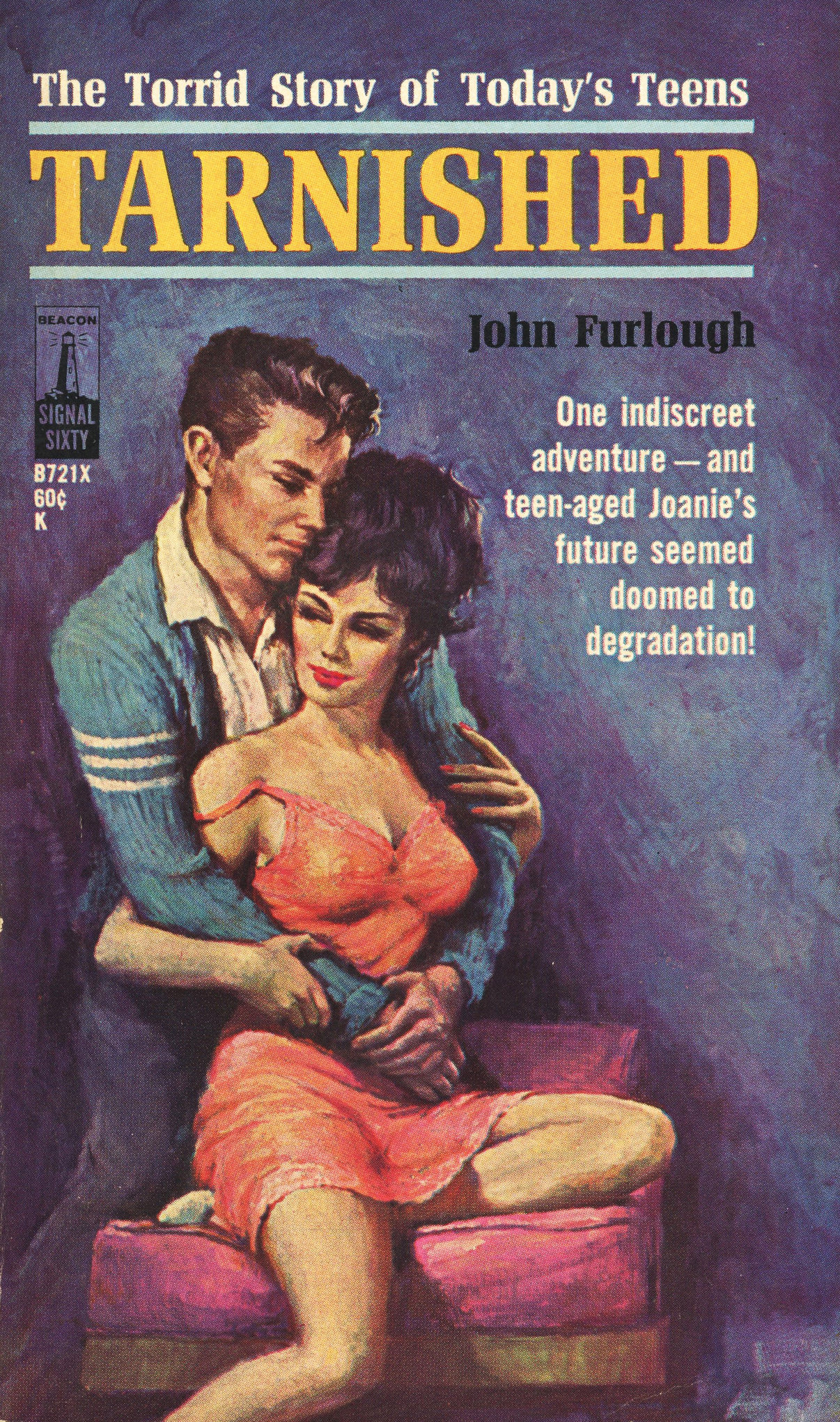
It happens that my computer files contain a wide variety of vintage paperbacks focused on delinquents and other teenagers gone wrong, which I’ve picked up over the years. Since today’s
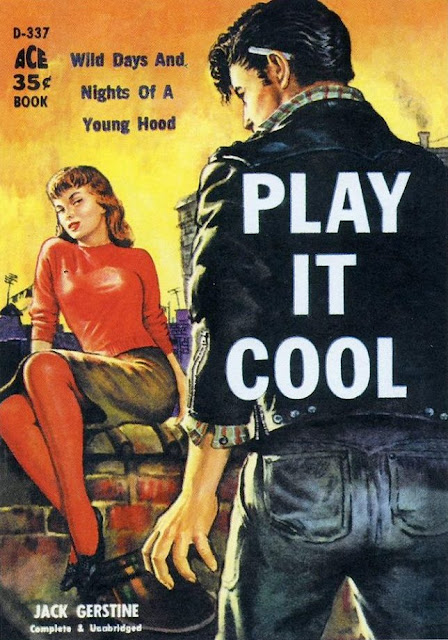
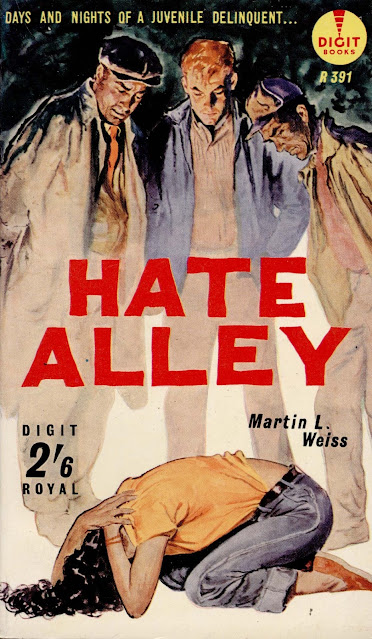
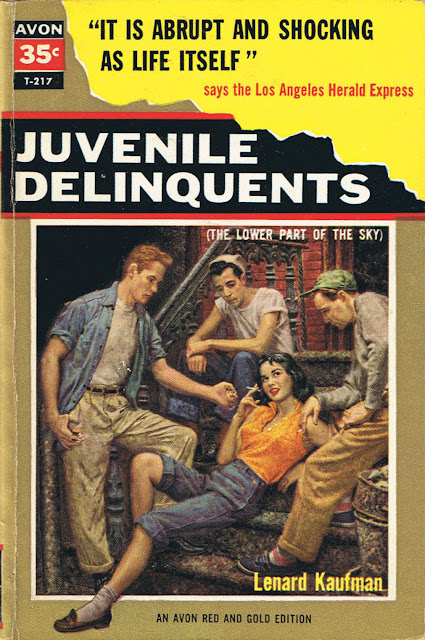
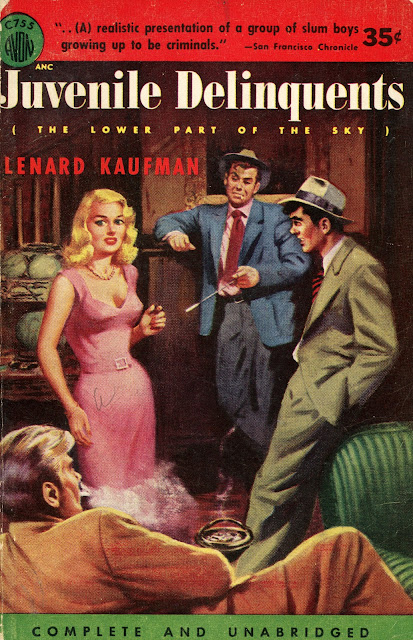
14th Killer Covers birthday finds me in a feisty mood anyway, I’ve decided to commemorate the occasion with 50-odd examples of that genre, displaying parents’ worst nightmares of what their children (not all of whom are 14) could get up to if left unsupervised for long.
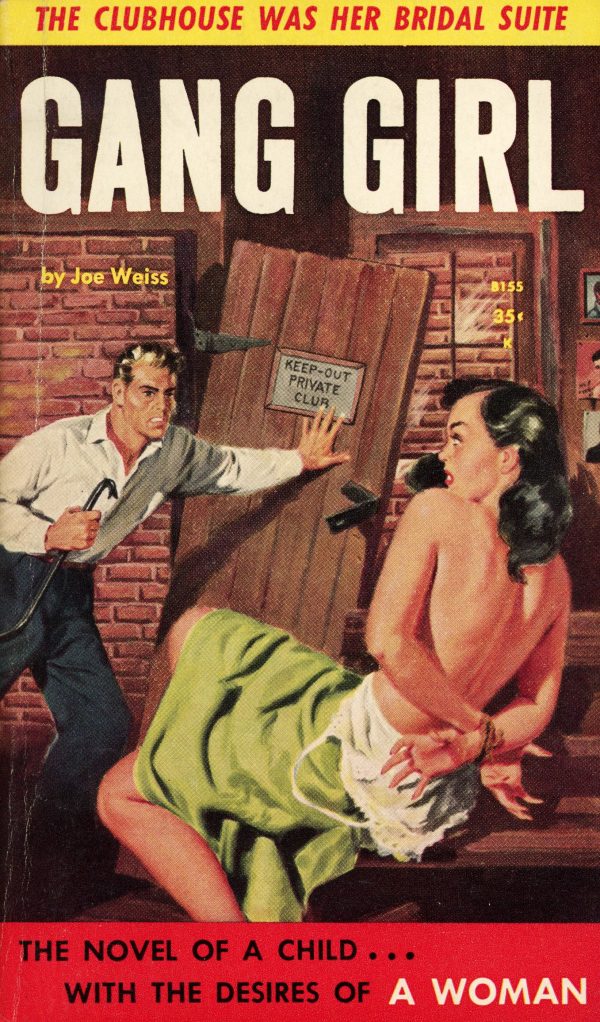
Within this gallery you’ll find multiple novels named
Gang Girl(s), several with the ominous word “jailbait” in their titles, and others suggesting that “cool” and “criminal” are altogether synonymous. The most represented author is probably
Wenzell Brown, but there are works, too, by Vin Packer (aka the recently deceased
Marijane Meaker),
Harlan Ellison (who once joined a Brooklyn street gang for research purposes), Harry Whittington and Whit Harrison (one and the same writer), Orrie Hitt,
Hal Ellson, Joan Ellis (one of several pen names employed by the prolific
Julie Ellis), Evan Hunter, Henry Gregor Felsen, and screenwriter
Irving Shulman.
Click on any of the images below for an enlargement.
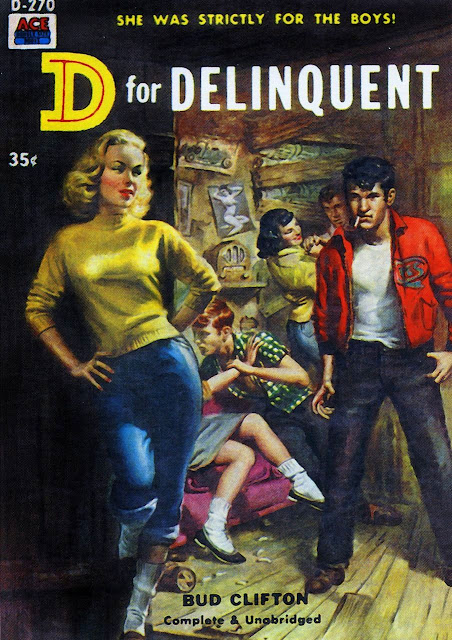
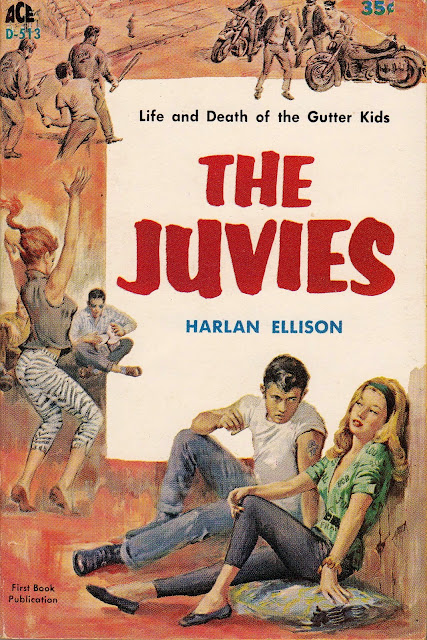
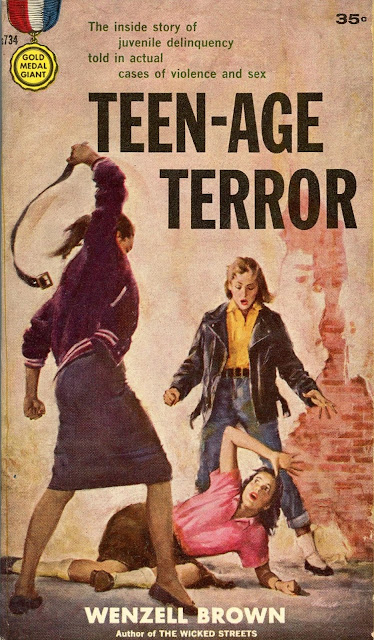
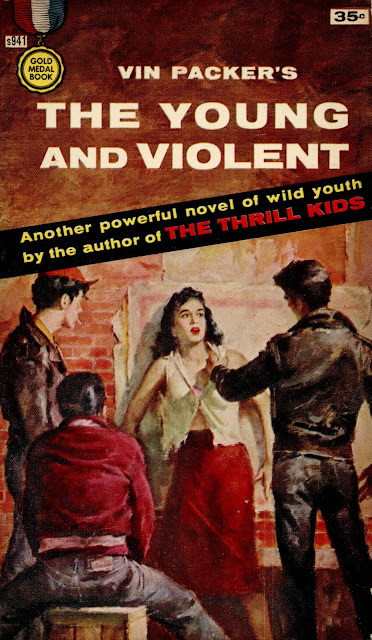
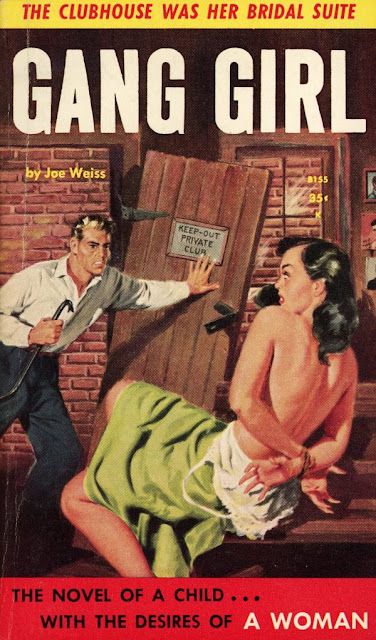
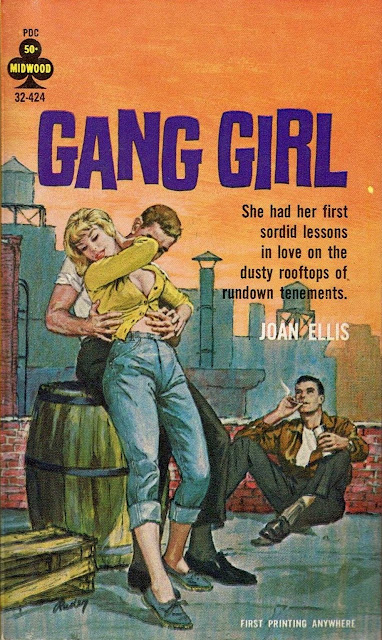
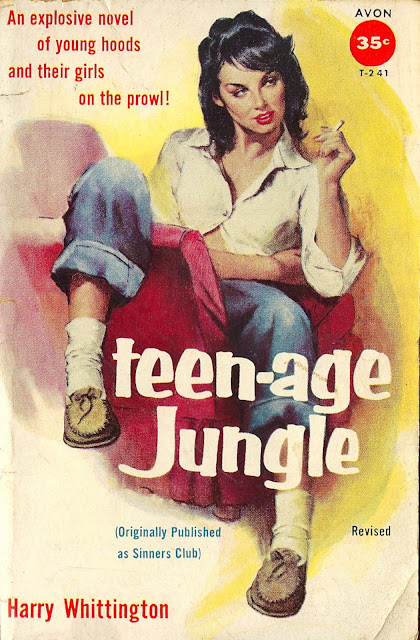
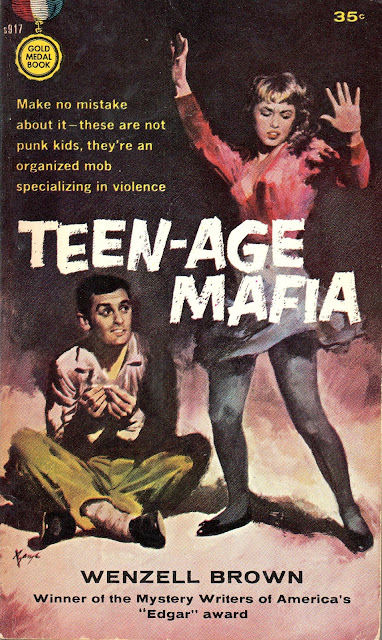
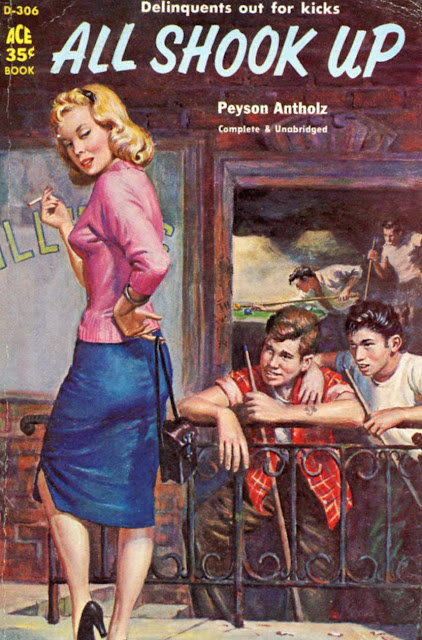
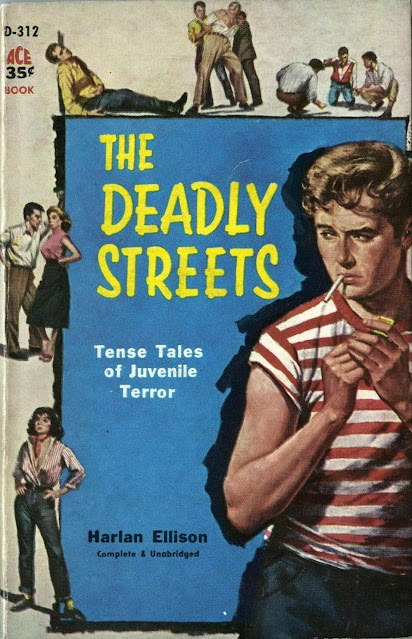
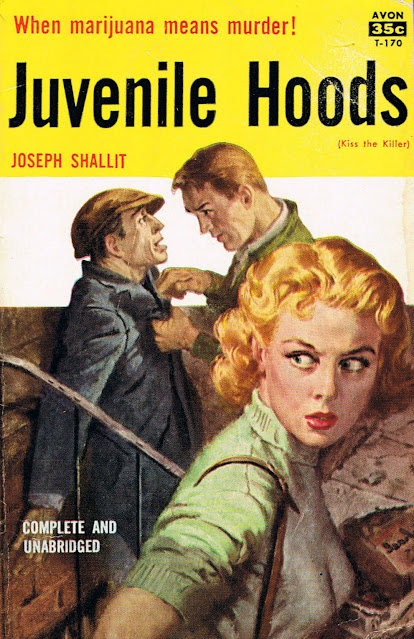
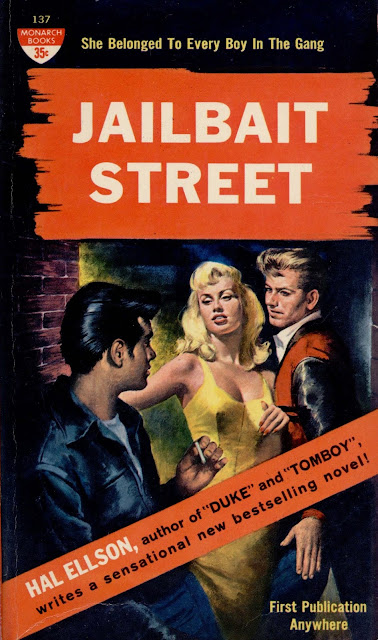

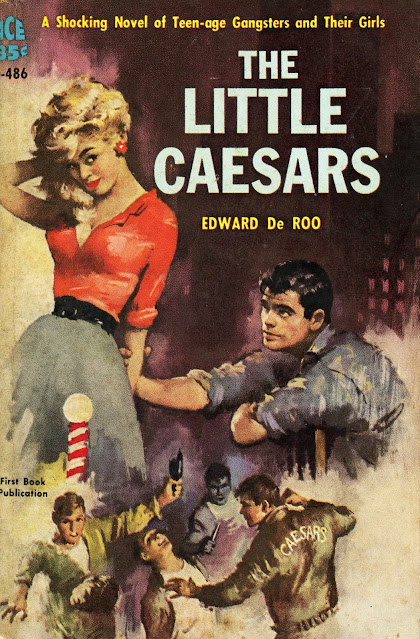
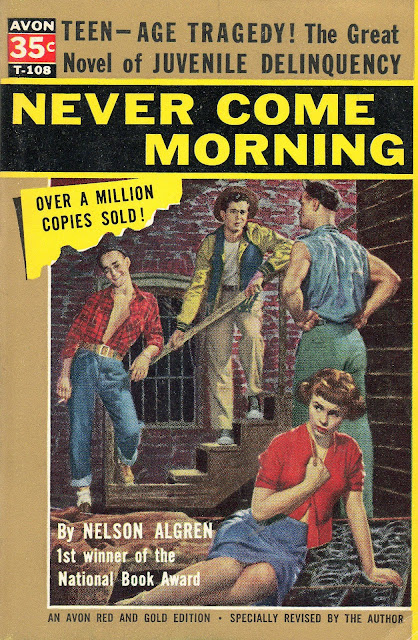
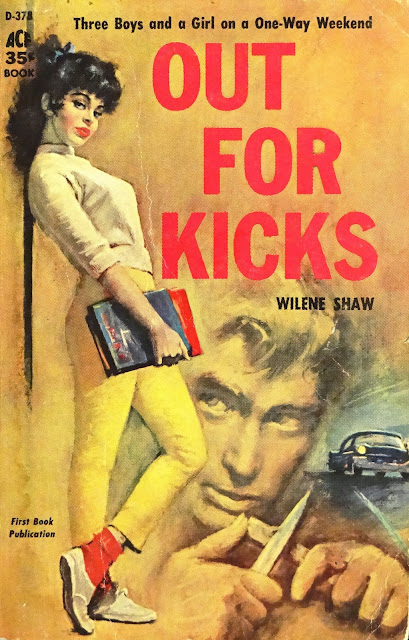
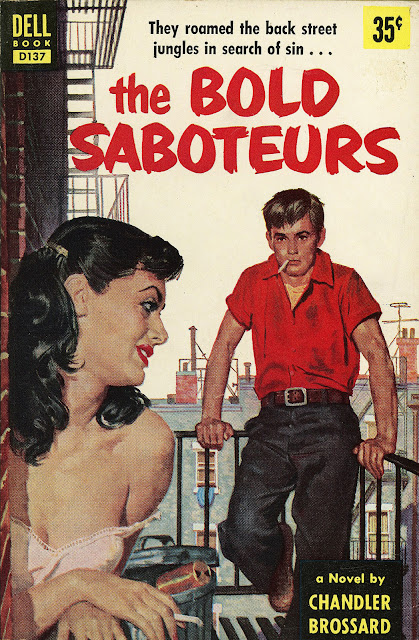
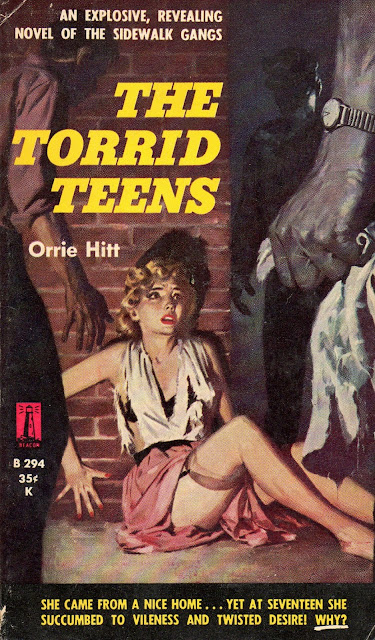
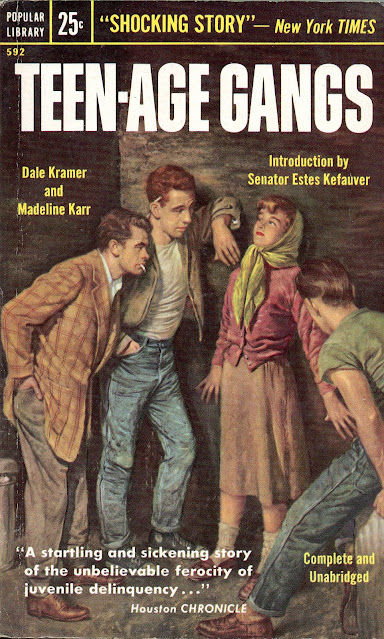
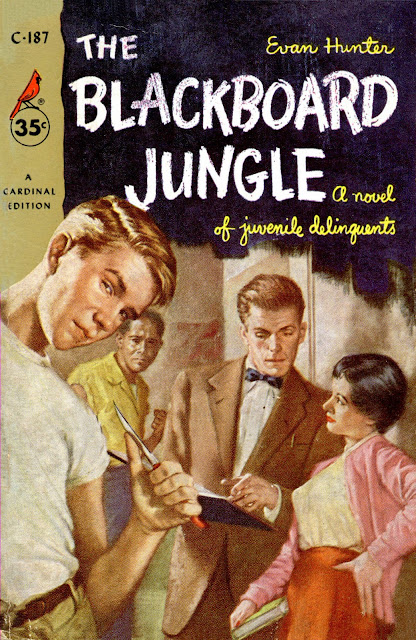
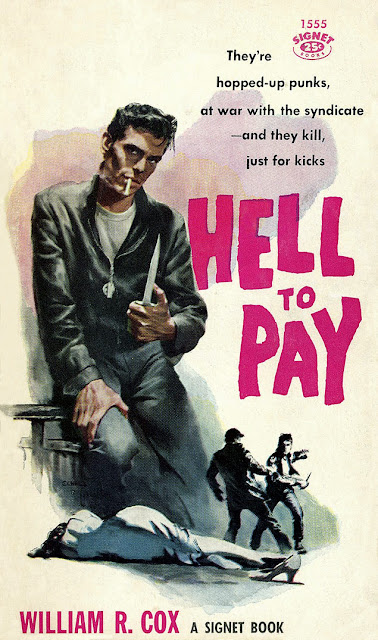
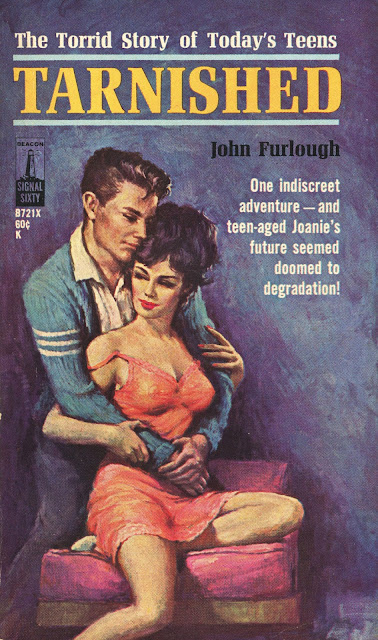
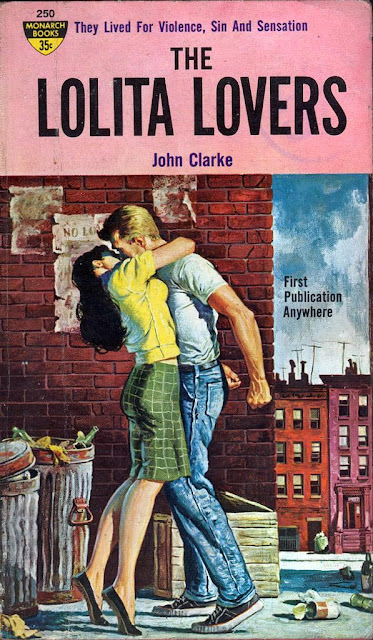
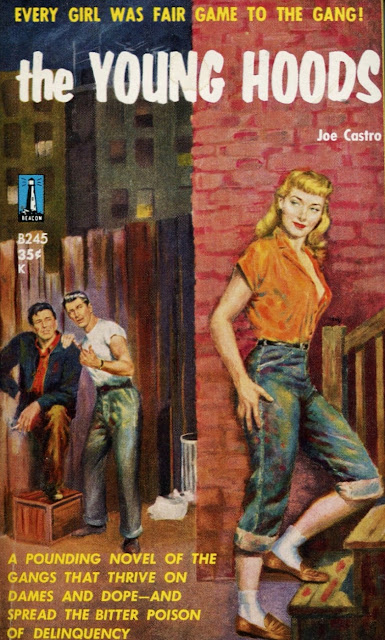
%20features%20Robert%20Maguire's%20first%20paperback%20cover%20-%20teen.jpg)
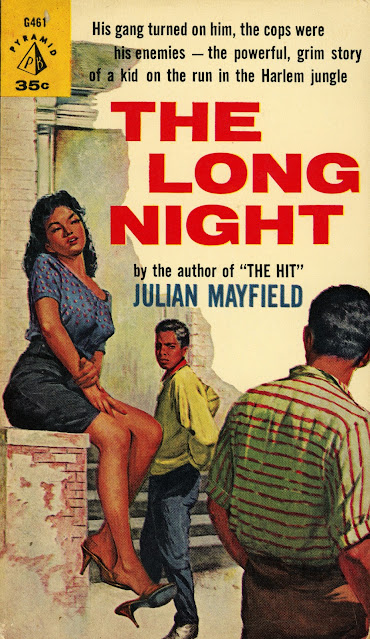
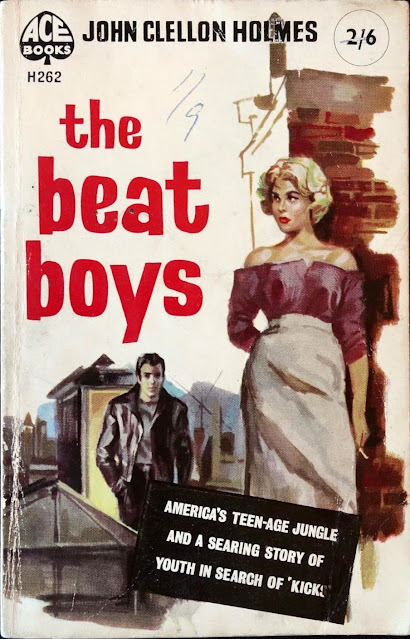
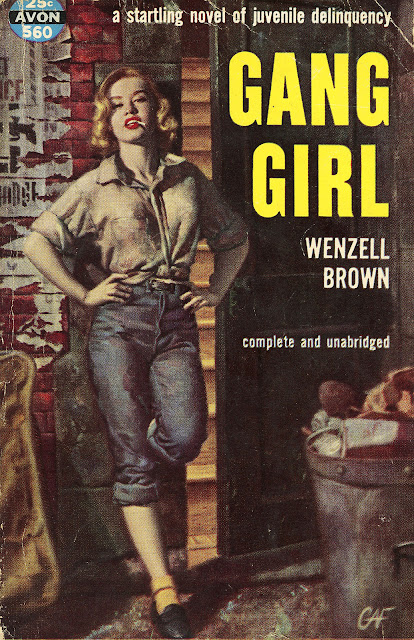
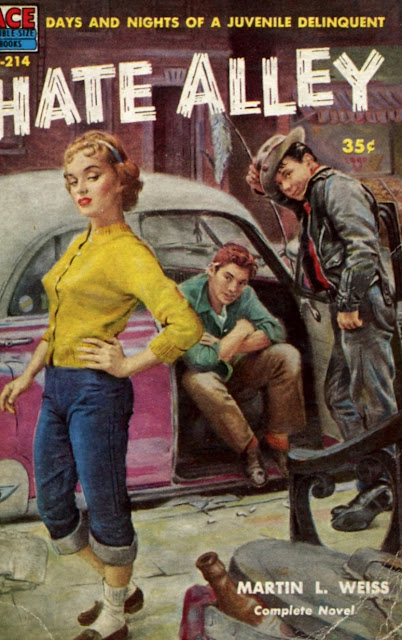
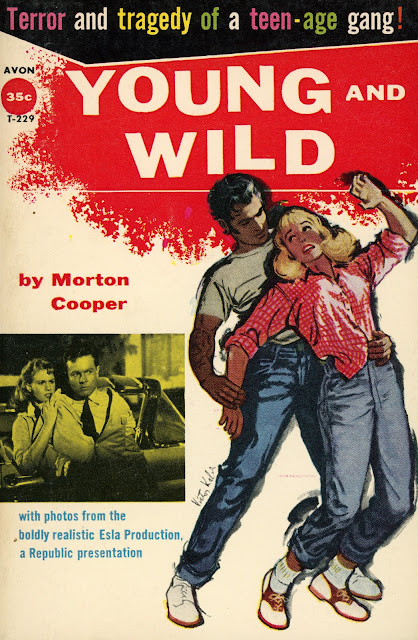


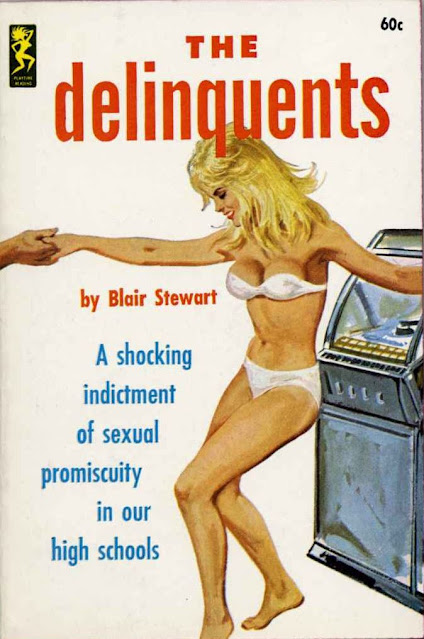
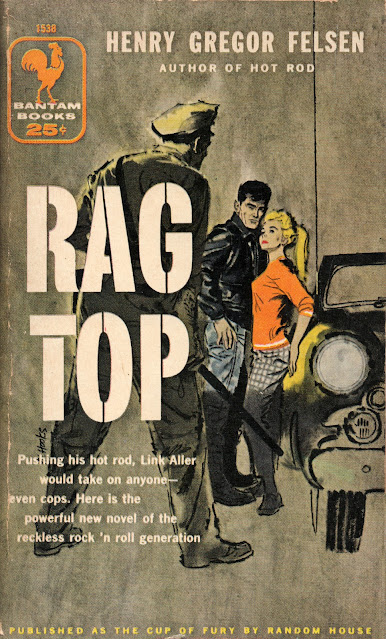
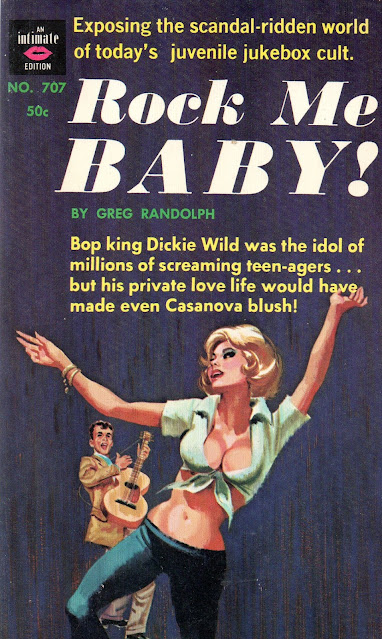
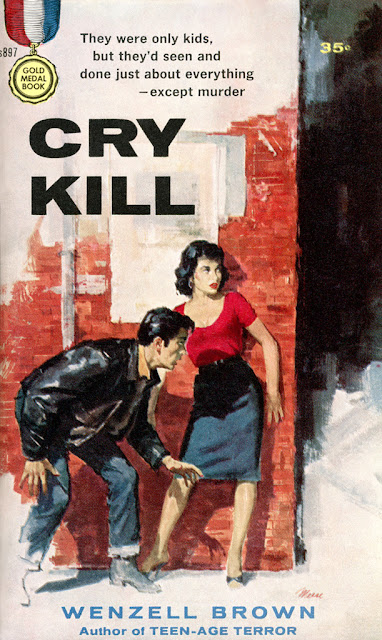
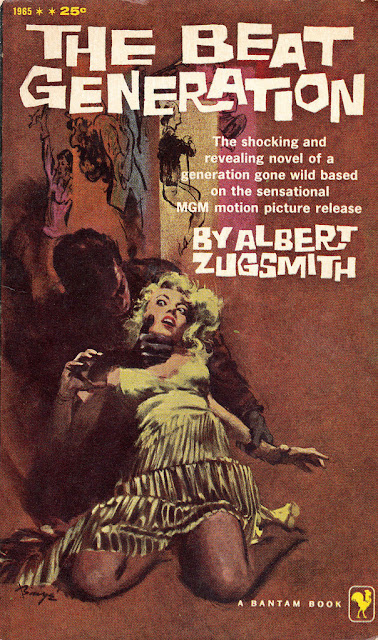
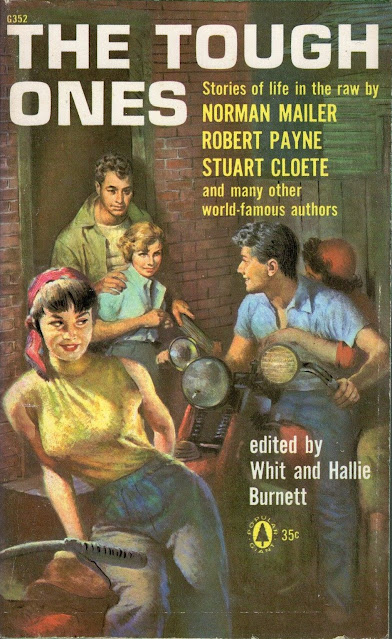
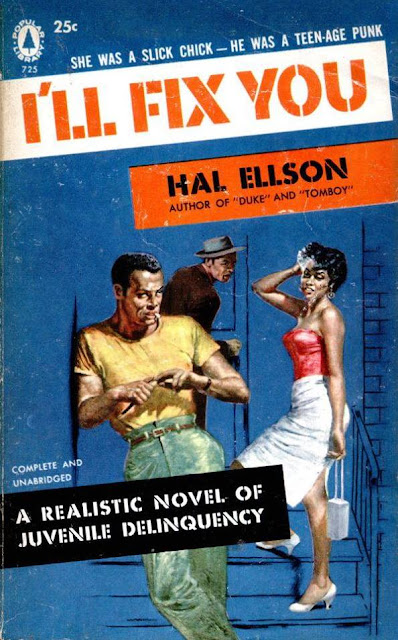
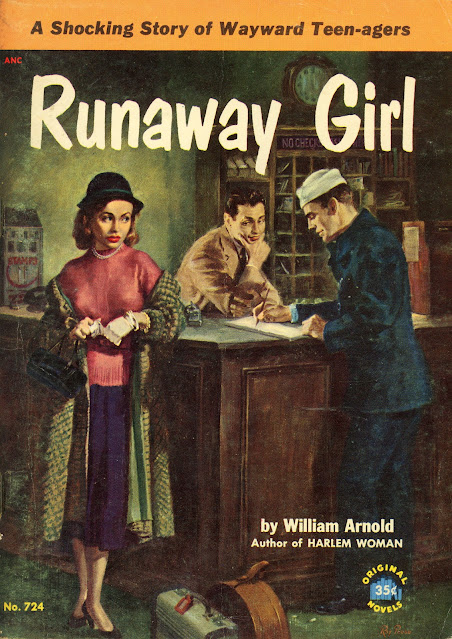

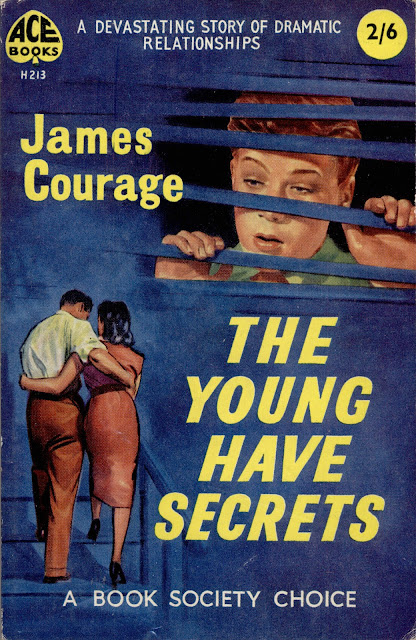
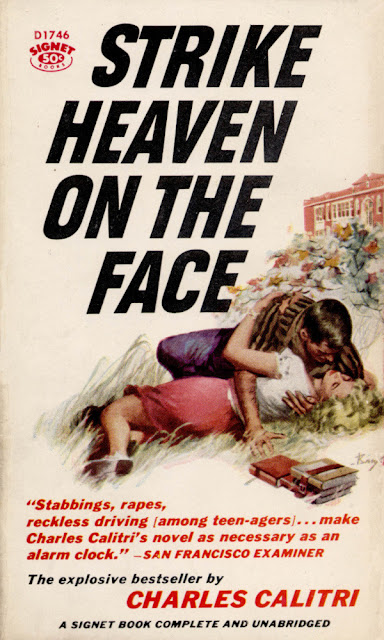
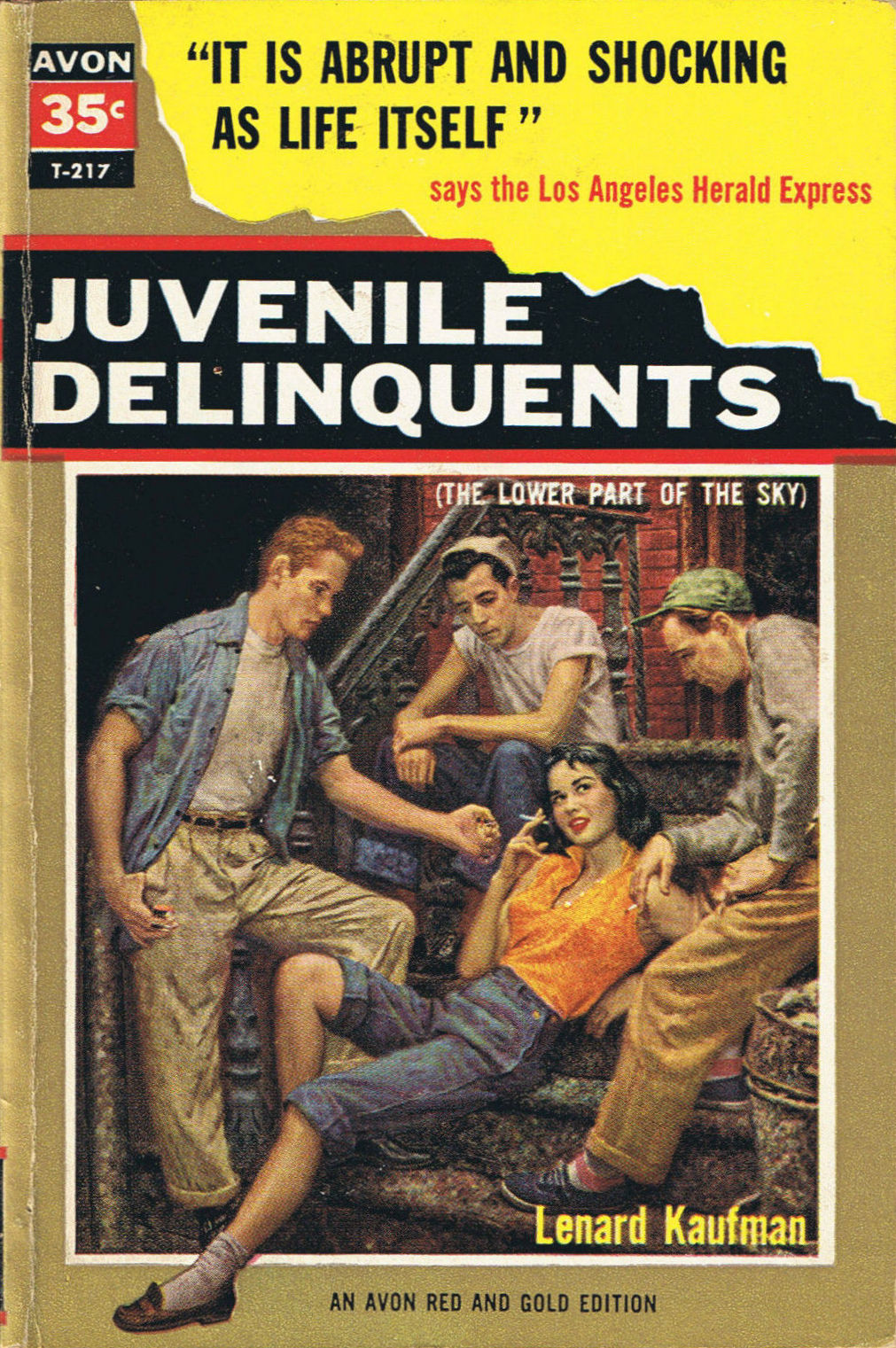
Unfortunately, I haven’t found credits for all of these paperback fronts. But among the artists whose work is included here are James Meese (
Bad Girls,
Teen-age Terror,
The Young and Violent,
Cry Kill), Robert Maguire (
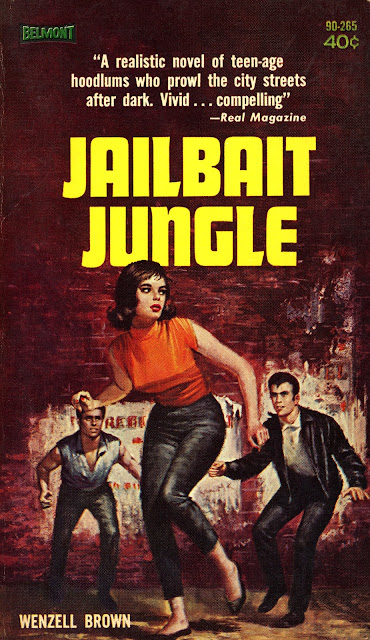
Jailbait Jungle,
Tomboy), Tom Miller (
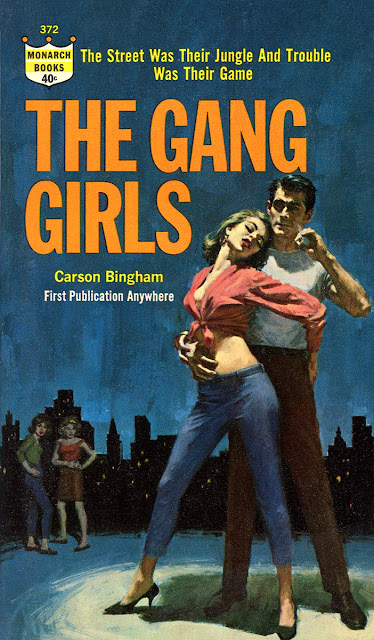
The Gang Girls),
Ernest “Darcy” Chiriacka (Digit’s
Hate Alley,
Cry Tough!), Raymond Johnson (1952’s
Juvenile Delinquents,
Jailbait Street,
I’ll Fix You, and
Cry, Brother, Cry), Samson Pollen (
D for Delinquent, Ace’s
Hate Alley),
Paul Rader (1964’s
Gang Girl), Barye Phillips (
Teen-age Mafia,
The Beat Generation,
Strike Heaven on the Face), Mitchell Hooks (
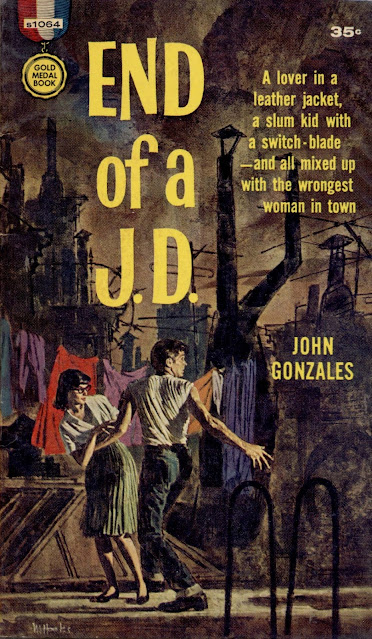
End of a J.D.,
Rag Top), Rudolph Belarski (
Jailbait,
Rapture Alley), George Ziel (
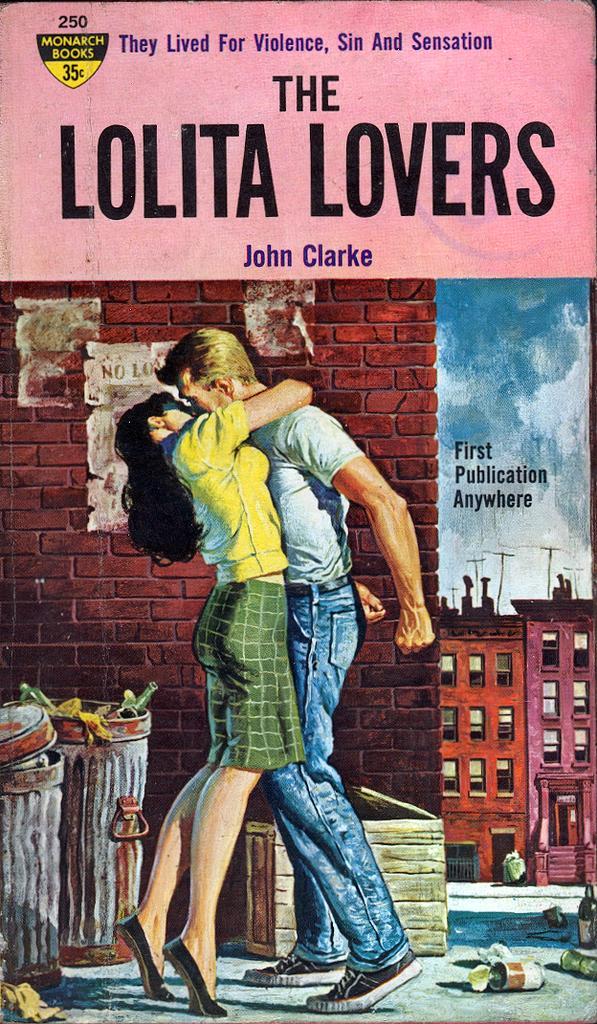
The Little Caesars), Rafael DeSoto (
Teen-age Gangs,
The Lolita Lovers), Clark Hulings (
The Blackboard Jungle), Robert Schulz (
Hell to Pay), Gilbert A. Fullington (1954’s
Gang Girl), Lou Marchetti (
The Long Night), Victor Kalin (
Young and Wild), Robert Bonfils (
The Delinquents), and Raymond Pease (
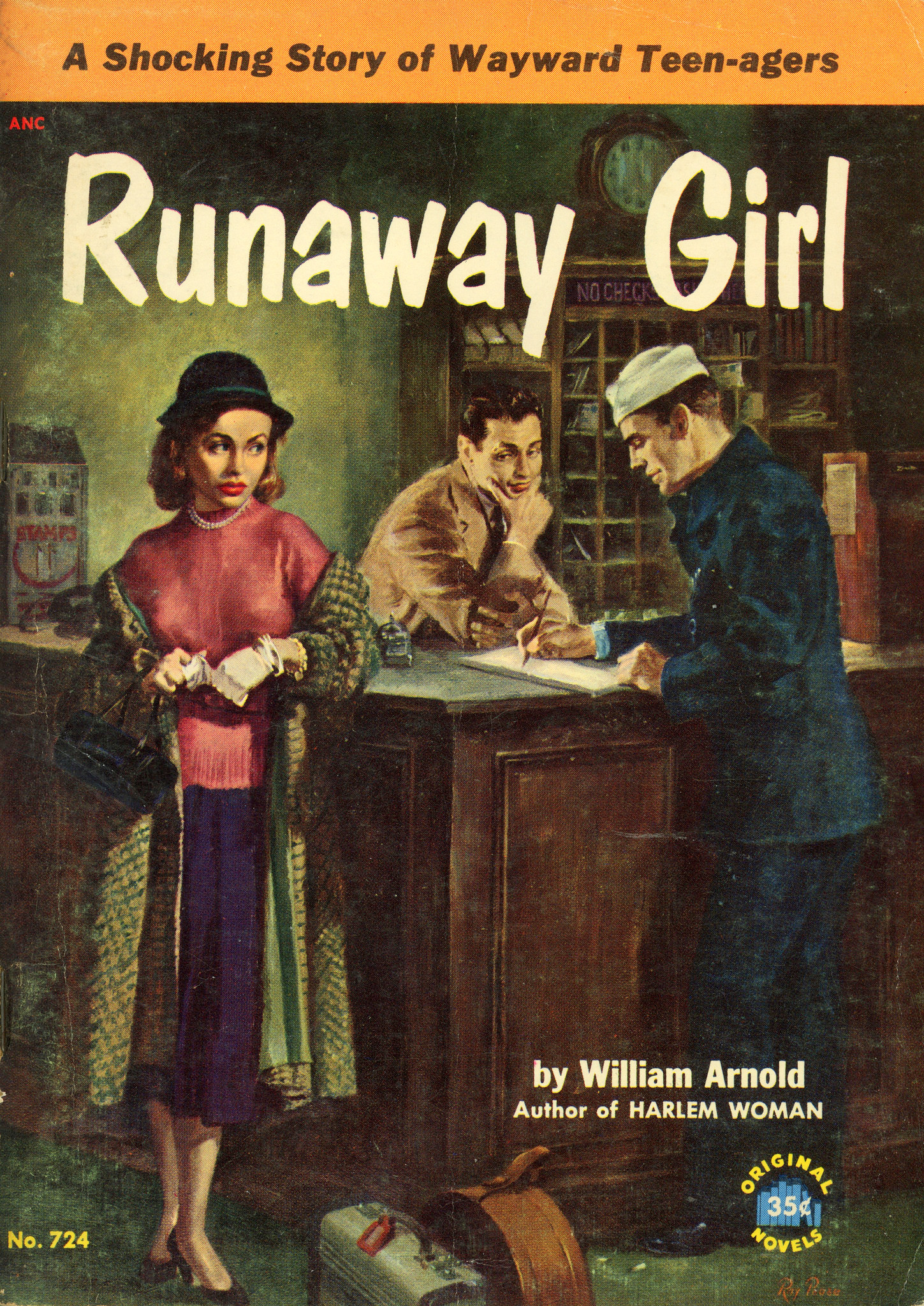
Runaway Girl).
If you’re interested in finding additional juvenile delinquent-related covers, check out a pair of previous Killer Covers posts, the first focused on
James Bama’s contributions to this breed, the second showcasing the
myriad risks young people might face by going to school. Or go to the blog Pulp Covers, where I found many of the images shown above, and which
has still more to admire.







%20features%20Robert%20Maguire's%20first%20paperback%20cover%20-%20teen.jpg)